
On a humid August evening, our Cog Night took us to the Duchess Theatre, to see White Rabbit Red Rabbit, a unique theatrical experimental play written by Iranian playwright, Nassim Soleimanpour.
White Rabbit Red Rabbit
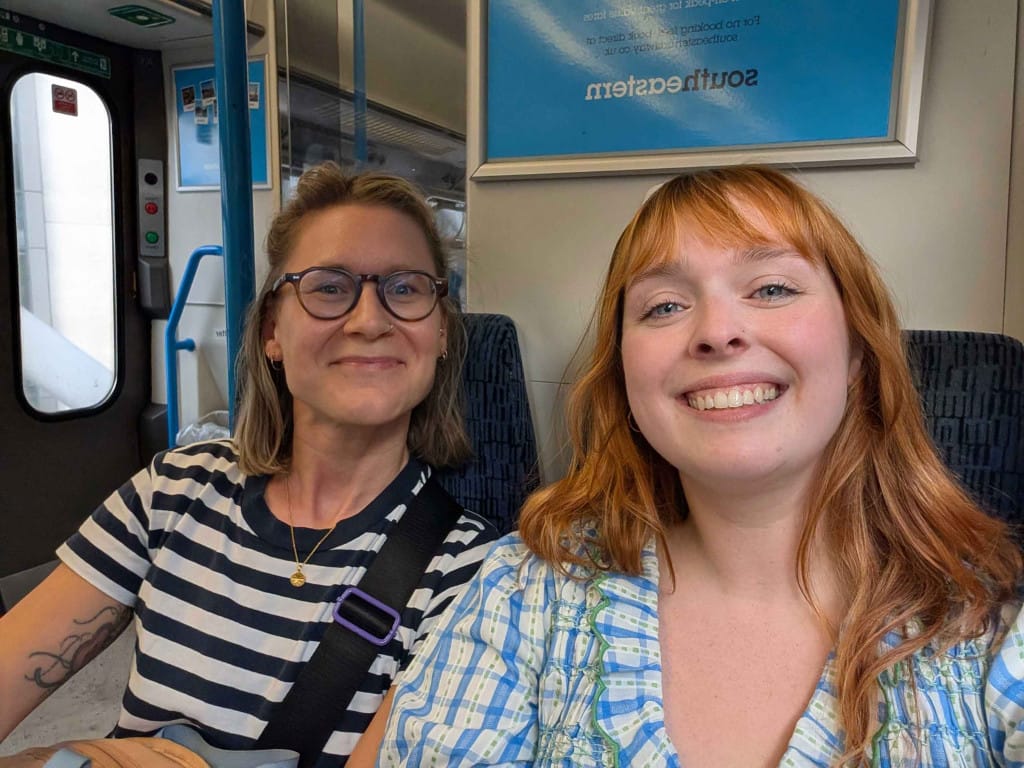
Kasia and Heidi on route to the Duchess Theatre
I’d been given a little context about the show beforehand, but deliberately resisted the temptation to find out too much detail as I wanted to experience the performance fully.
It’s an unusual concept and that is evident from the moment you book. The show takes place on Monday evenings. I guess they are taking advantage of the fact that the theatre’s long running resident play is ‘dark’ on Mondays.
A different performer takes to the stage each time, shaping both the play and, ultimately, your experience of it. We chose to go on the night that David Harewood was performing, and as an old Homeland fan, I was pretty excited about it.
As we entered through the theatre doors, we were guided up a set of short, narrow stairs before reaching our seats. I recall thinking, how quaint it was inside. It was only later that I discovered that the Duchess is one of the West End’s smaller theatres, with just 500 seats. Perhaps that explains the sense of intimacy that settled over the room — there was something wonderfully close about the space, as though the performance was unfolding directly around us rather than simply in front of us.
The show began with a compere (one of the producers, I think) greeting the audience and explaining the concept. David was then introduced onto the stage, and handed a sealed brown envelope containing the script. With no rehearsal and no idea what’s coming next.
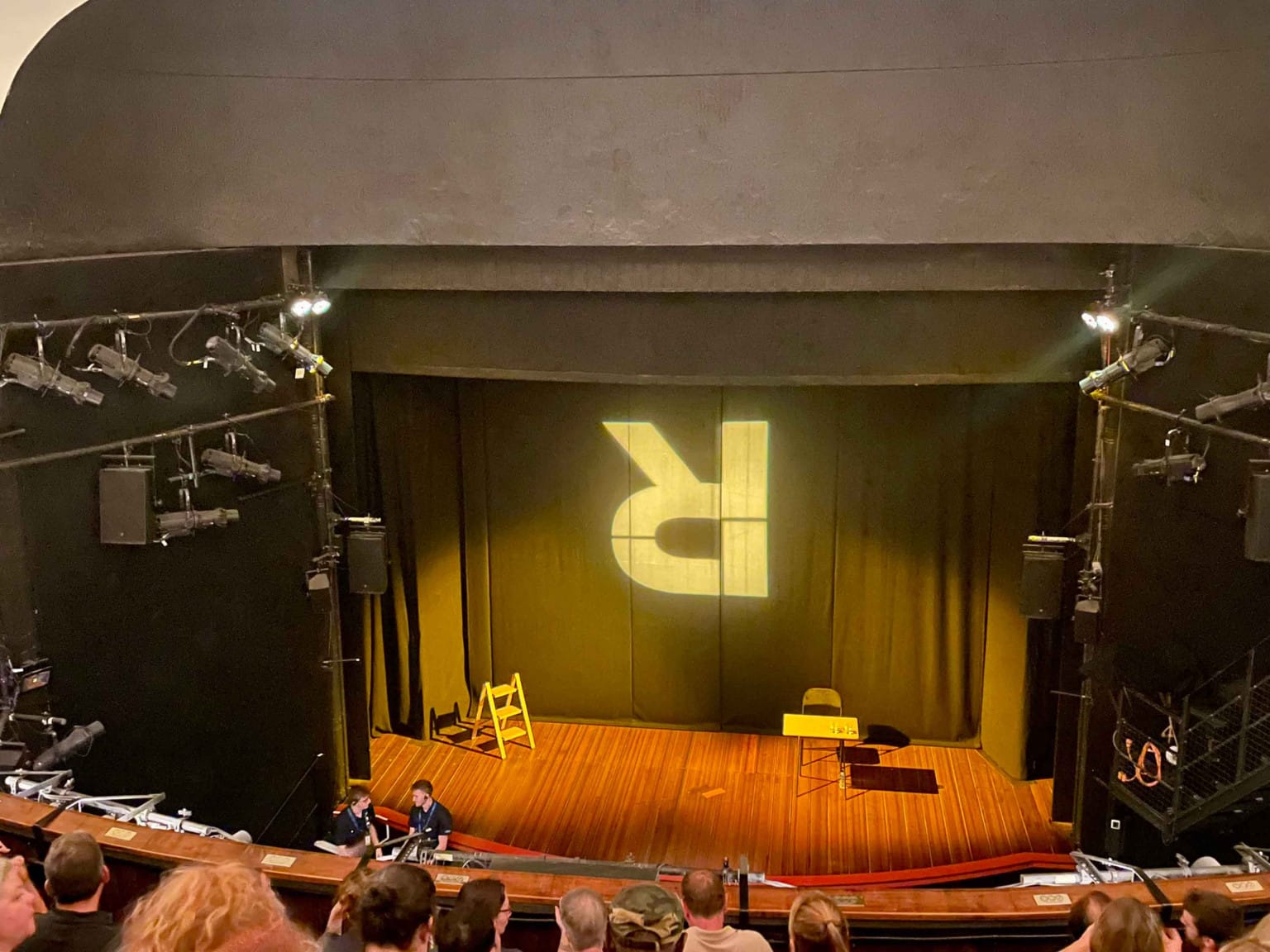
On the stage was a small ladder and a table, on which were two glasses of water and a vial of ‘poison’.
I began intensely observing every detail, intrigued where the following 60minutes would take us.
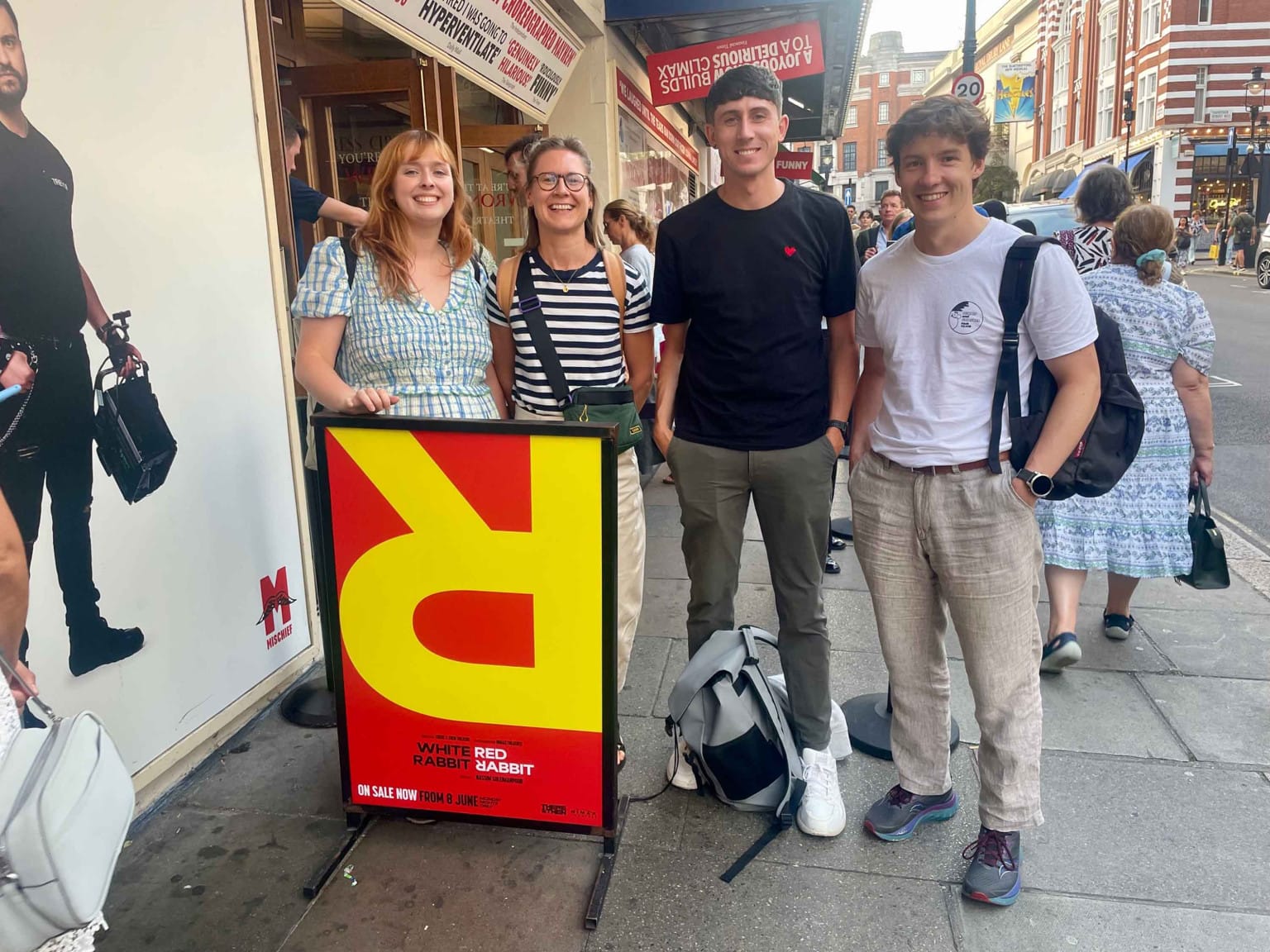 Heidi, Kasia, Nick and Danny outside the Duchess Theatre
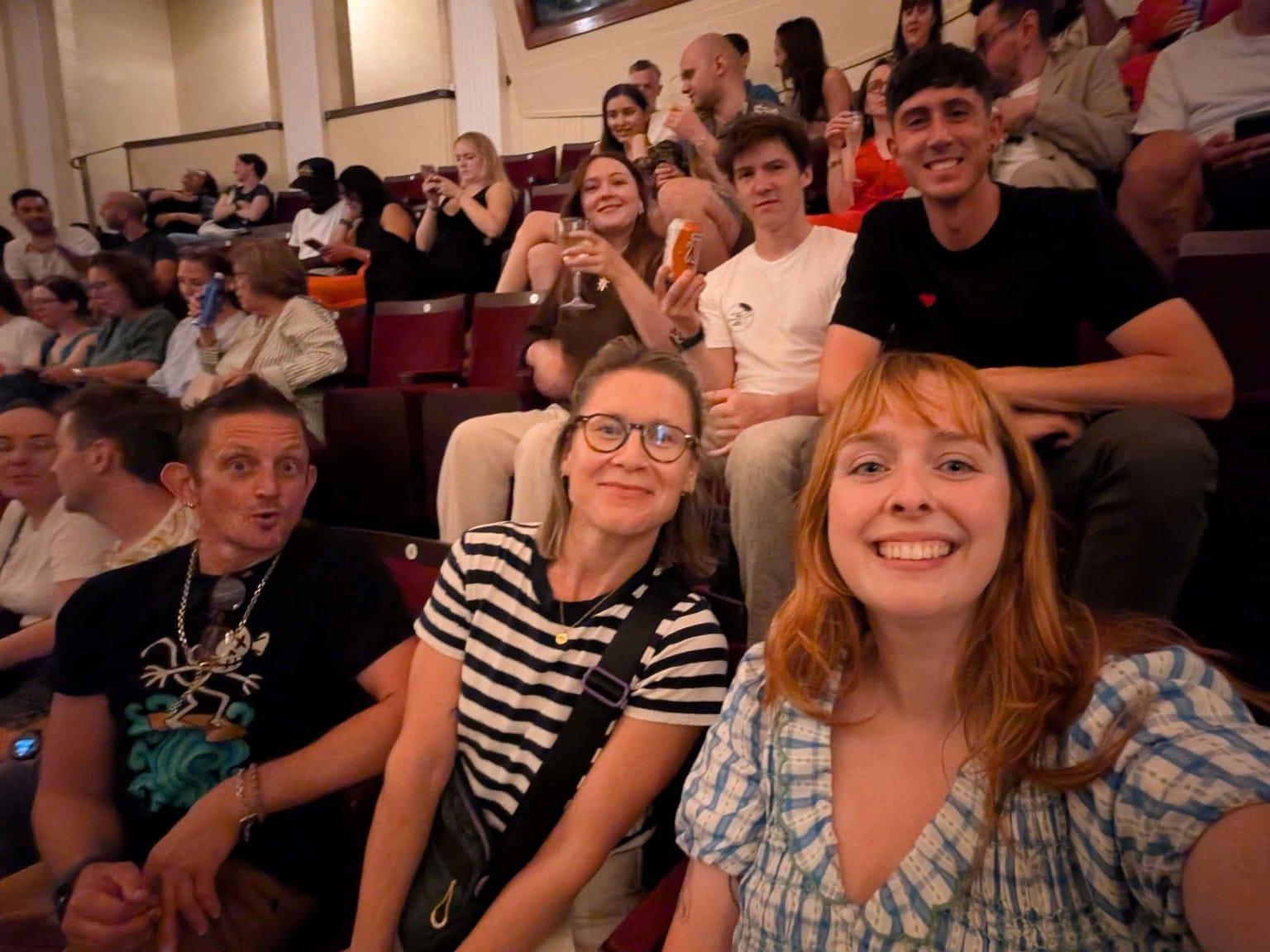 Big smiles, waiting for the show to start.
With more than 35 years of experience as a performer behind him, David took to the stage with an effortless confidence. He immediately had the audience in the palm of his hand, rousing us several times as he slowly opened the envelope carefully, pulling the script out. With a hint of hesitation he began to read.
Much to everyones amusement, the performance involved audience participation from the very beginning and we were asked to count ourselves from left to right to see how many of us were in the theatre that evening.
Audience members where then called to the stage to perform.
One was asked to pour the poison into one of the glasses.
Others were prompted to perform as a ‘white rabbit’ and a ‘bear’, helping to bring one of the play’s stories to life. The improv audience actors embraced their roles brilliantly, including one particularly committed rabbit impression, hopping across the stage!
At times David offered moments off-script that felt like he was thinking: ‘What on earth is happening?’ He often made himself chuckle, for instance when he misread a line and told the white rabbit that “the bear will now eat you” rather than “the bear will not eat you”!
"The bear will now eat you!"
However, beneath the humour and fun role-play, is a much darker and thought-provoking exploration of obedience, conditioning, oppression and punishment.
Later, David reads a story about Nassim’s uncle who ran a social psychological experiment on rabbits — it is both funny in its theatrical telling and unsettling in what it says about cultural conditioning and organisational inertia.
The play then takes an even darker turn, when David is faced with drinking the contents of one of the two glasses (one of which may be poisoned).
When asking the audience which glass he should drink from, one person shouted “both!” — prompting roaring laughter from both the audience and David.
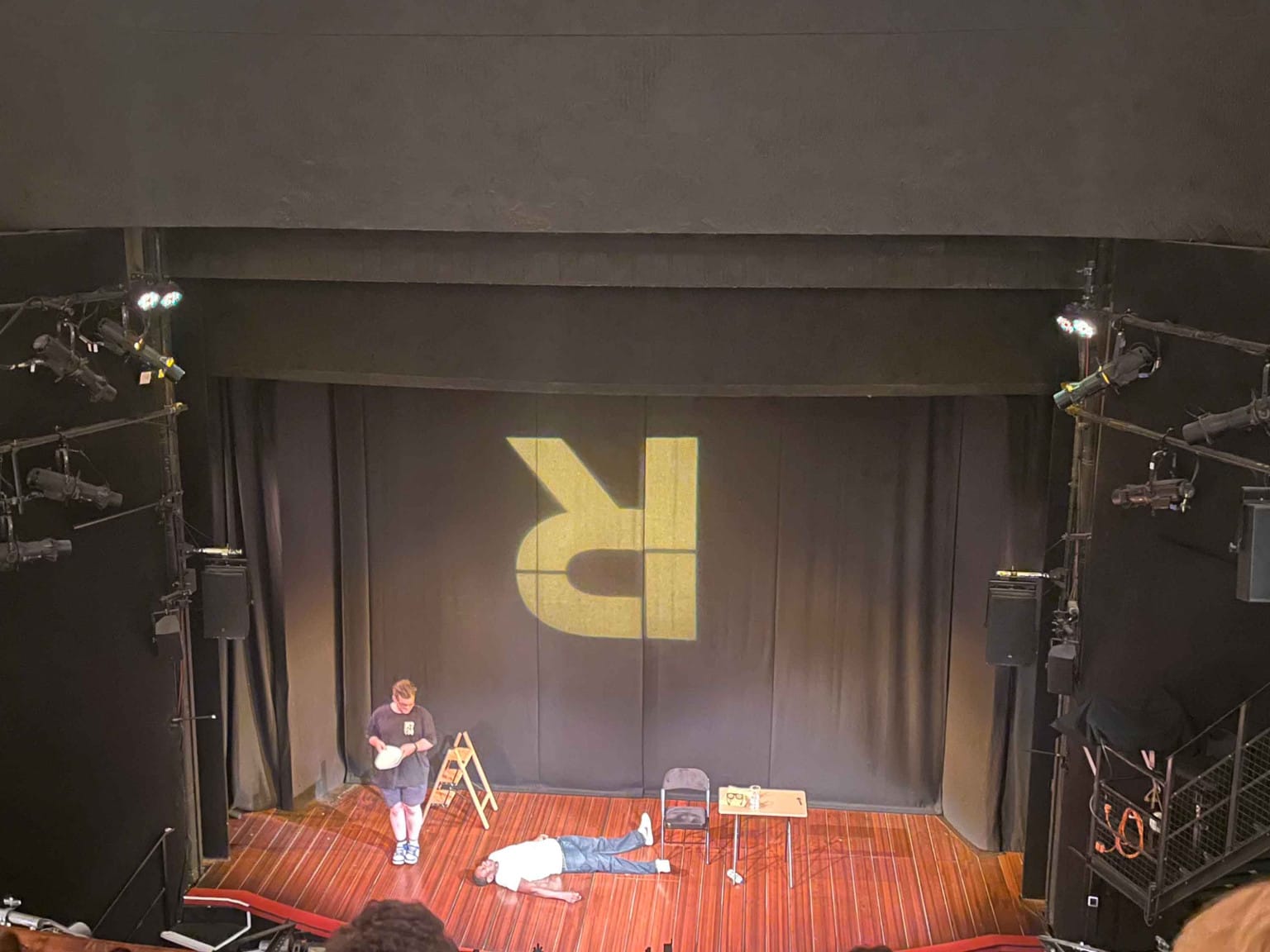
The show ends with the performer, laying on stage – have we just witnessed a murder or a suicide, or is it all a theatrical conceit?
The show is unlike anything I’ve seen before. It’s funny but ultimately a somewhat unsettling evening of theatre — one that has stayed with me, and certainly gave me plenty to think about on the journey home.
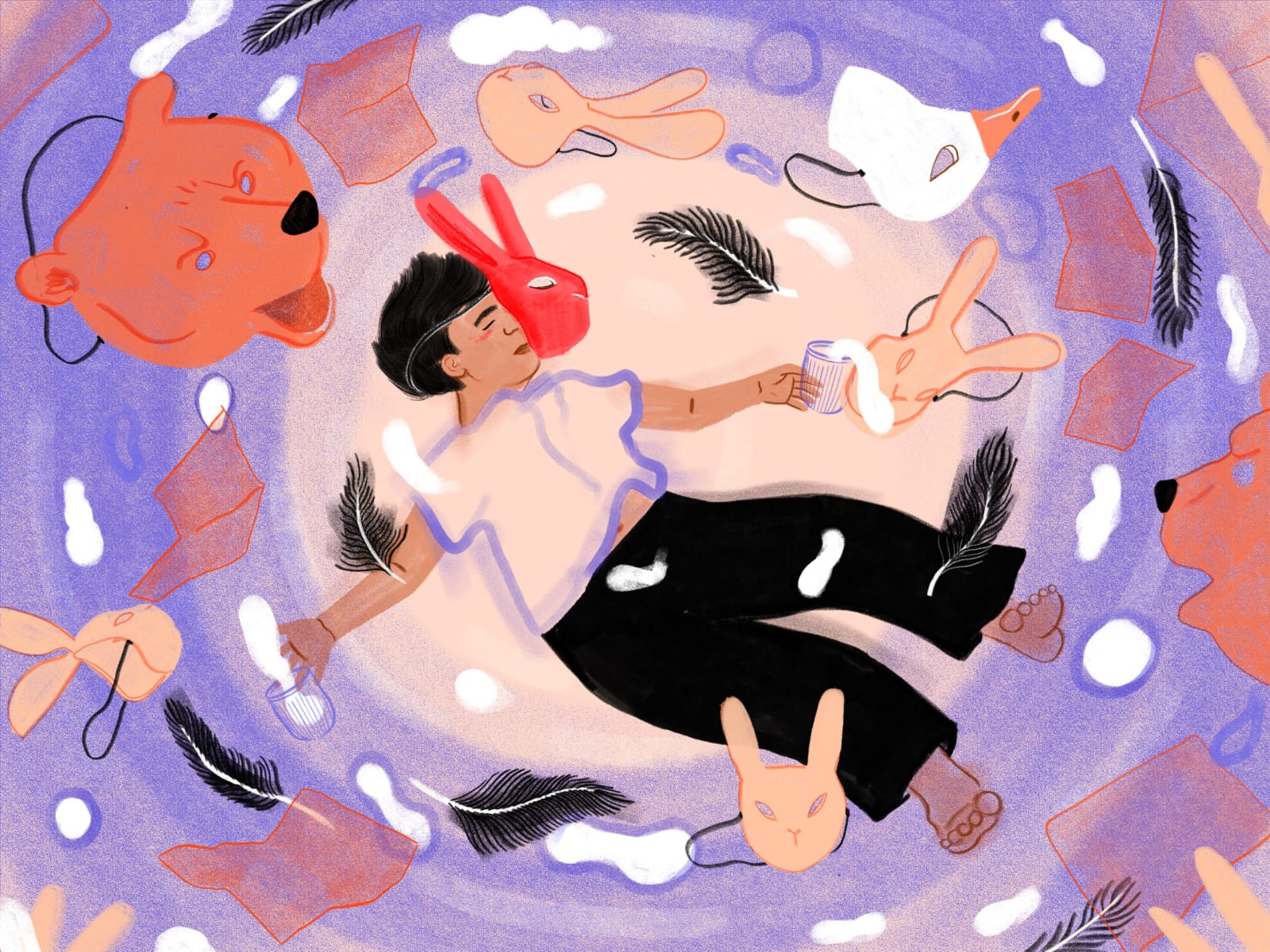
Illustration by Shirley Hottier for our Cultural Calendar.
Related
15 January ’18
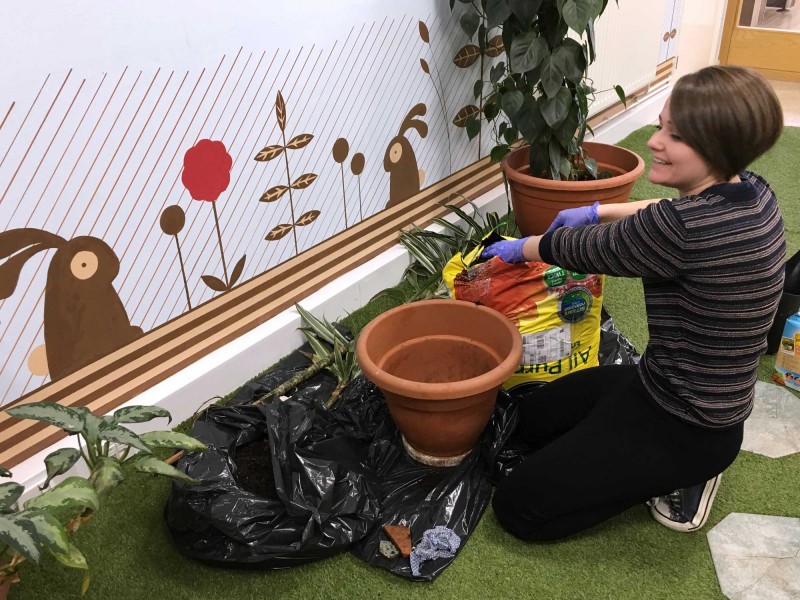
The rabbits watch on as Emily does some gardening
4 November ’20
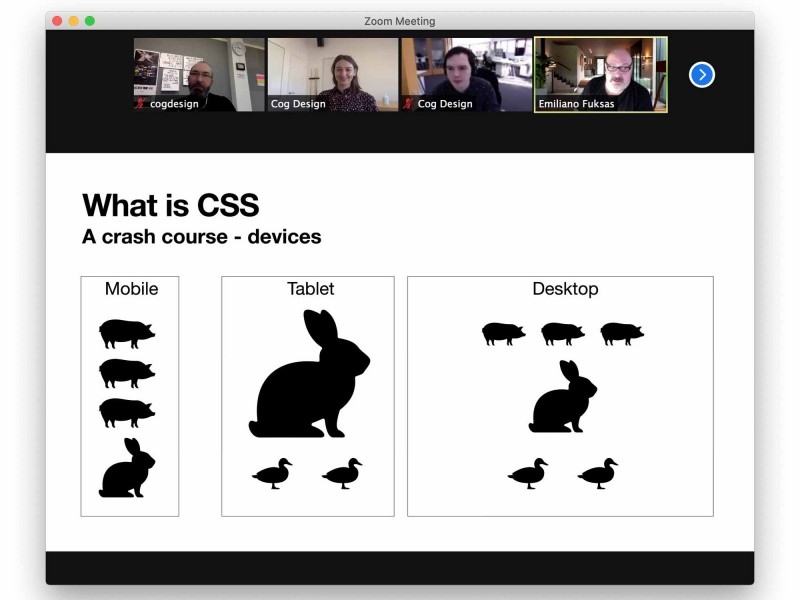
In an unprecedented ‘Wednesday’ breakfast briefing, Emi started our day, leading a discussion about CSS, and how to arrange pigs,...
Auntie Show and Nana Subversion Share Their Biscuits at Soho Theatre
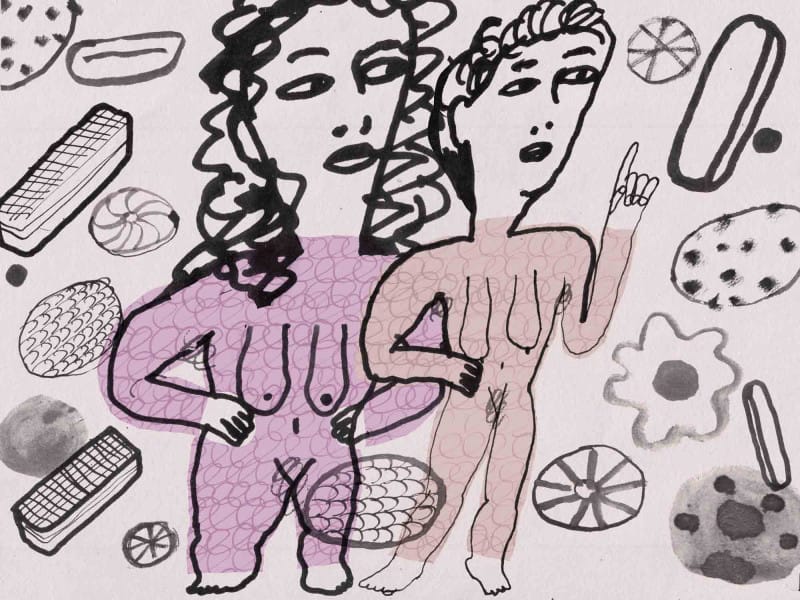
Junes Cog Night brings us to Soho Theatre's original Soho location for Auntie Show and Nana Subversion Share Their Biscuits,...
Bat Night Market at Science Gallery London (LIFT)
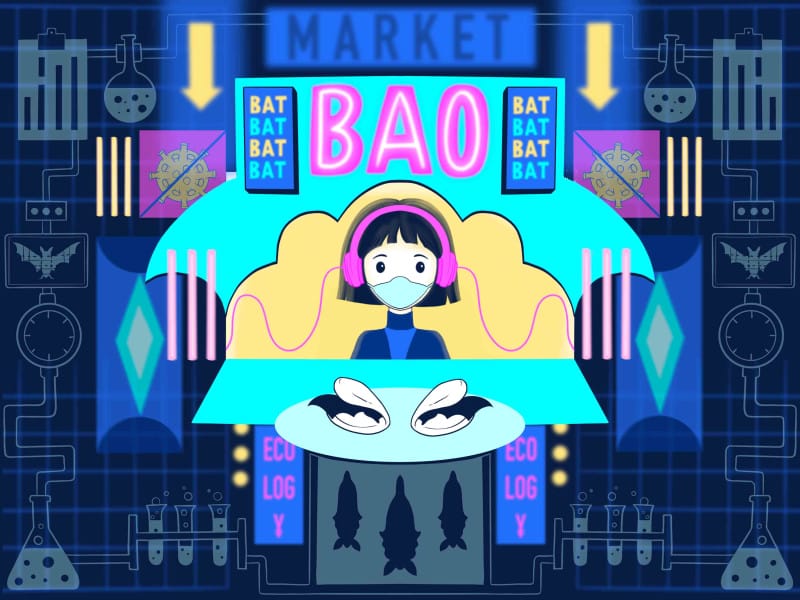
Alex gives his take on our June Cog Night, a LIFT event, taking us on a time travelling culinary journey...
Dog Funeral at The Pen Theatre
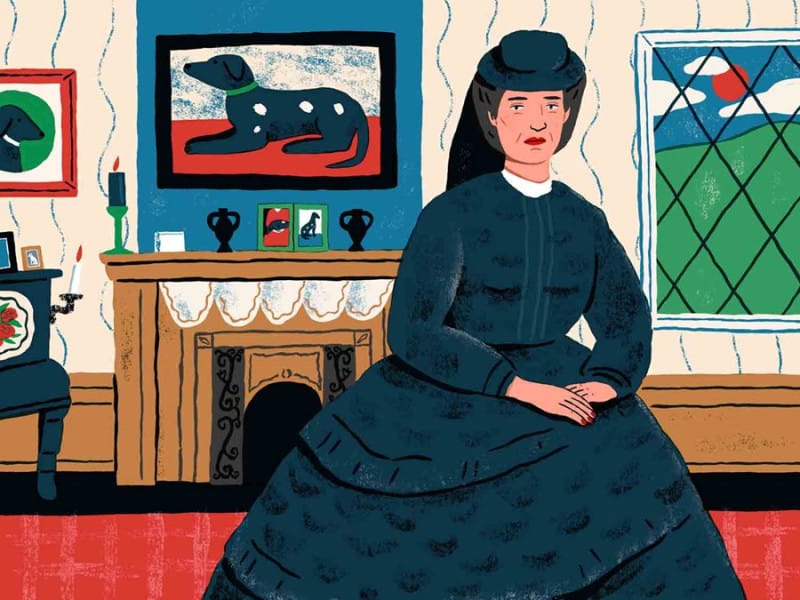
June's Cog Night took us to The Pen Theatre so see Zoe Wohlfeld perform her work in progress Show, Dog...
Figs in Wigs: Big Finish
March's Cog Night took us to Battersea Arts Centre to see Figs in Wigs perform Big Finish. Lily gives us...
CAttS at Soho Theatre
May's Cog Night took us to see Frankie Thompson's CAttS, Justin gives us his thoughts and sings thanks for the meowmories!