
January’s Cog Night was a visit to the Arcola Theatre for A Grain of Sand. Here are Heidi’s thoughts.
A Grain of Sand at the Arcola Theatre
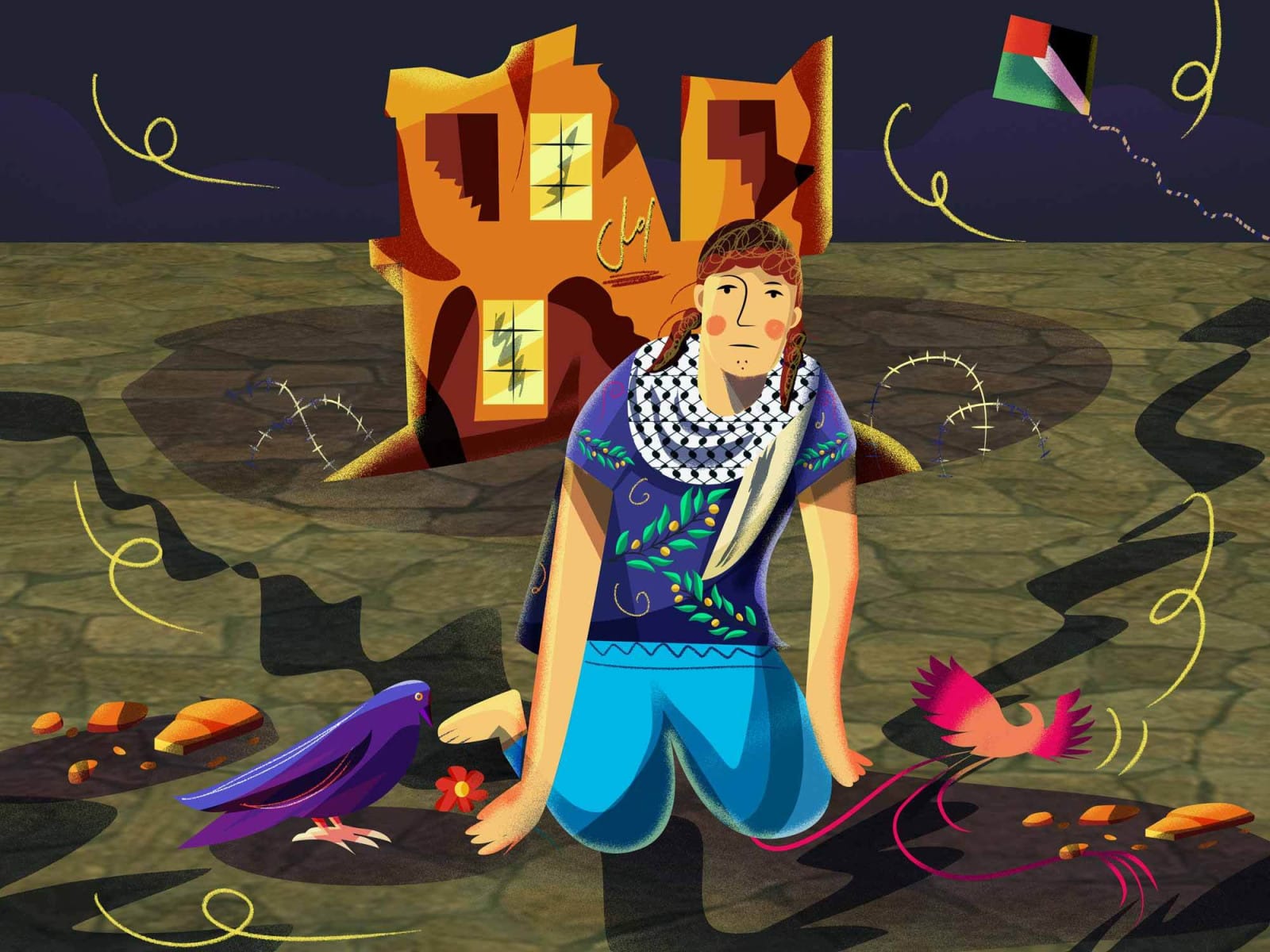
Our January Cog Night took us to the Arcola Theatre in Dalston to see the touring production of A Grain of Sand.
As Arcola are one of our many lovely clients, it was a pleasure to be back in a space we know so well.
Unlike the flashy West End, this converted factory is a space that feels raw and full of energy. We were seated in the front row of Studio 1, an intimate setting where you are practically part of the performance.
We felt a bit exposed at first, sitting right at the feet of the performer, but that vulnerability vanished the moment the lights went down, leaving us completely focused on the story that was about to unfold.
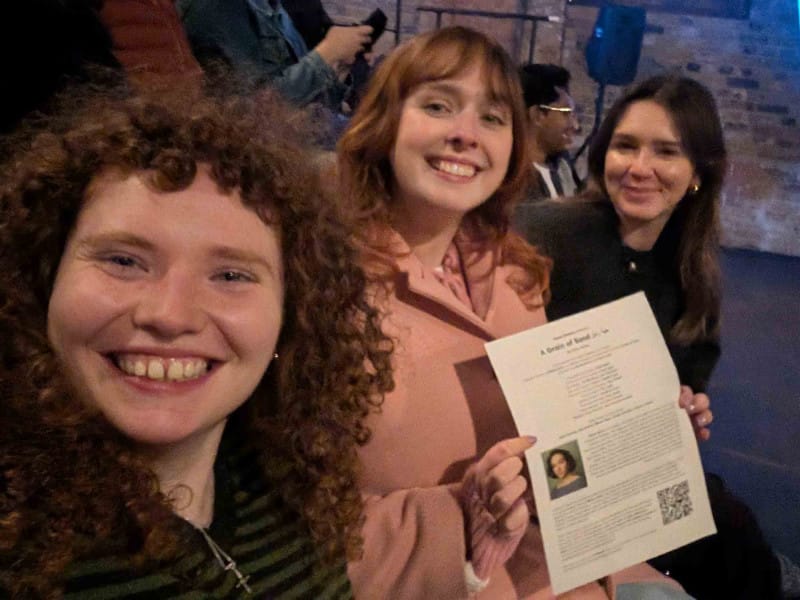
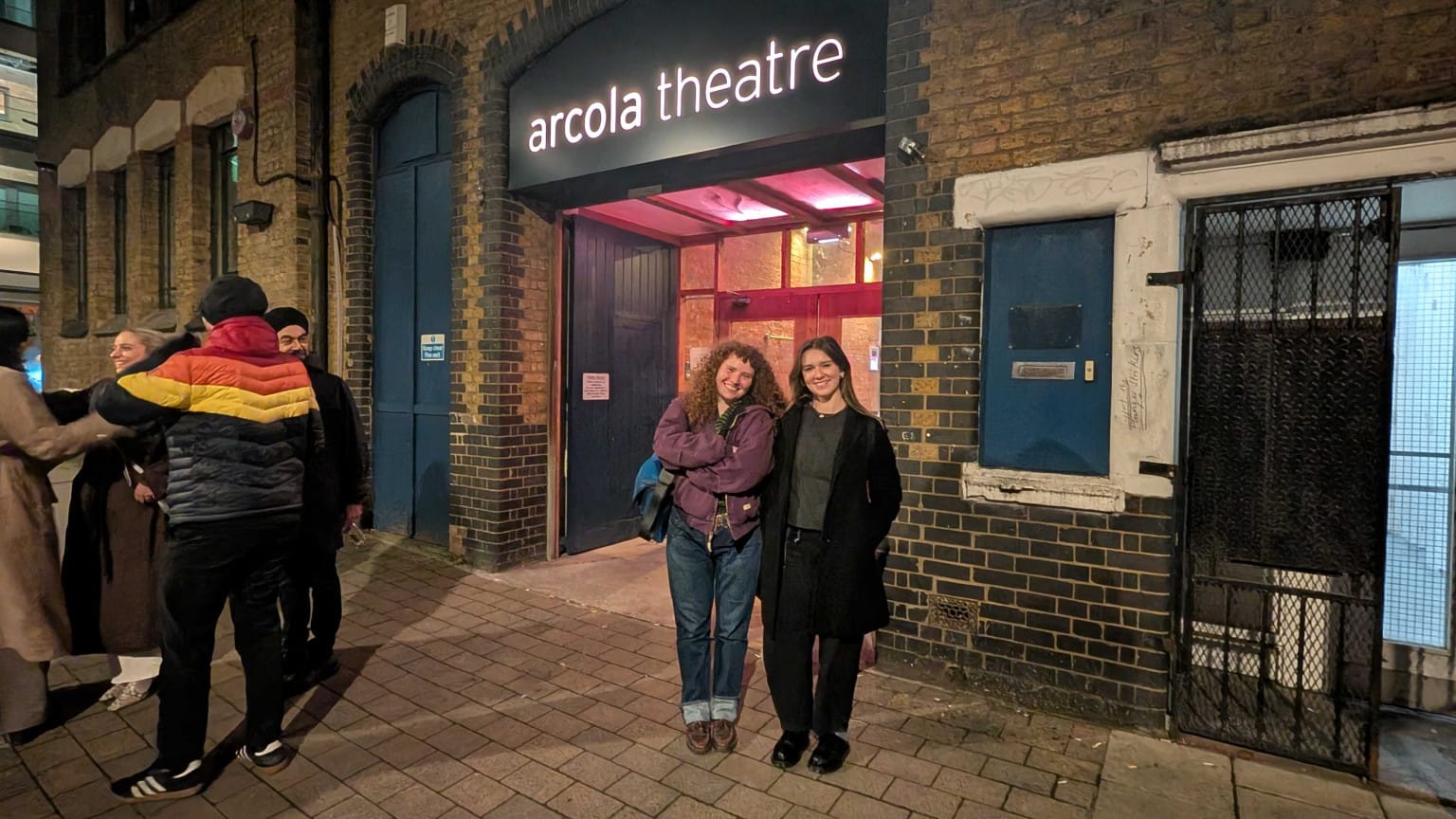 Aoife and Izzy outside the theatre.
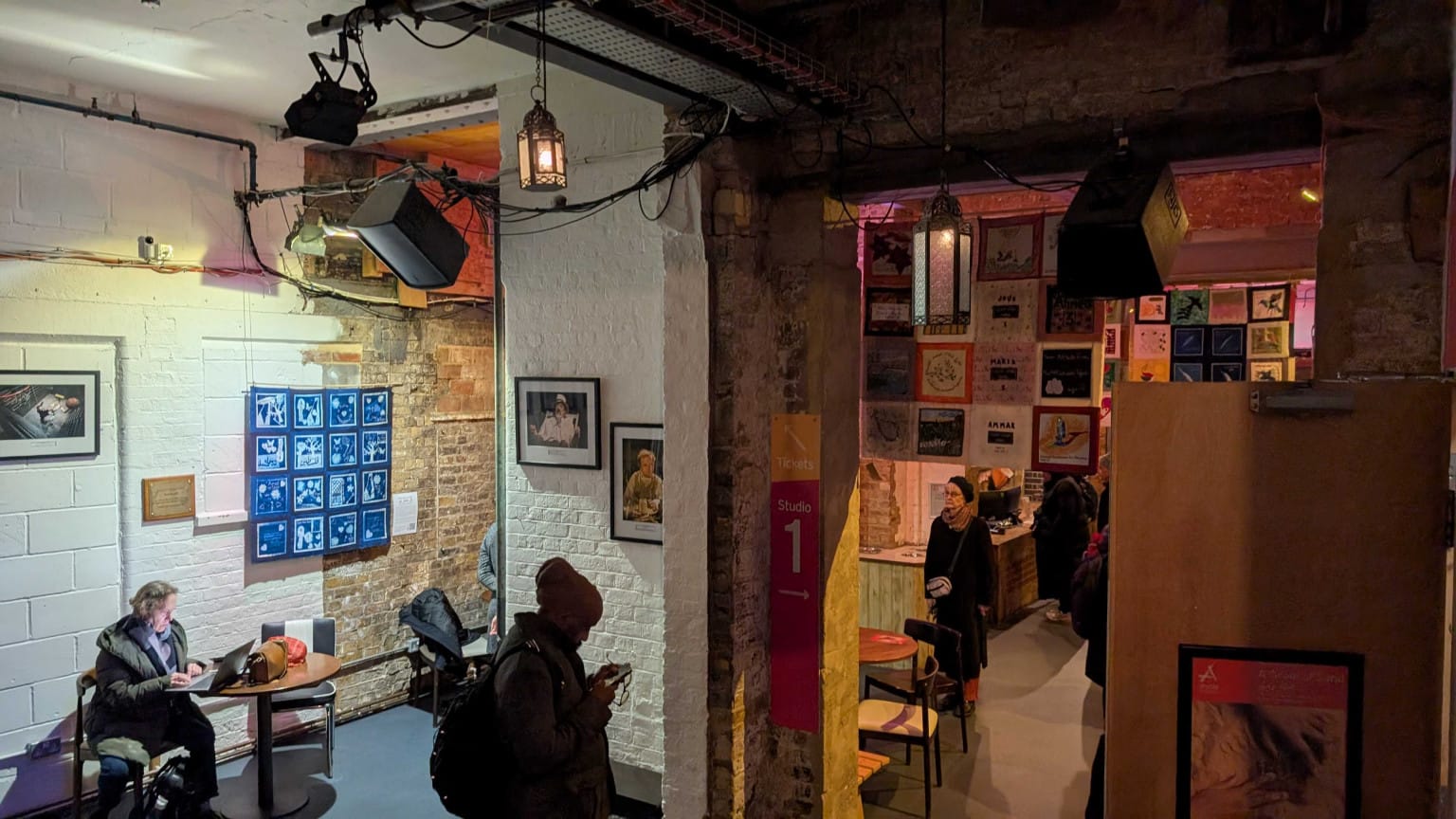 Local artwork on display in the foyer.
The staging was both surprising and deeply impactful – a large mound of sand with a single chair in the middle.
At first glance, it looked like we were going to be taken to a beach, but as the play progressed, the sand transformed into the rubble of a home, a playground, and eventually, a place of rest.
The technical elements really captured my attention and were just as powerful. Draped fabric served as a screen for projections, while the heavy use of smoke and a rumbling soundscape made the room feel like it was physically shaking under the weight of falling shells. It was a visceral, sensory experience that brought the reality of the setting directly into the room with us.
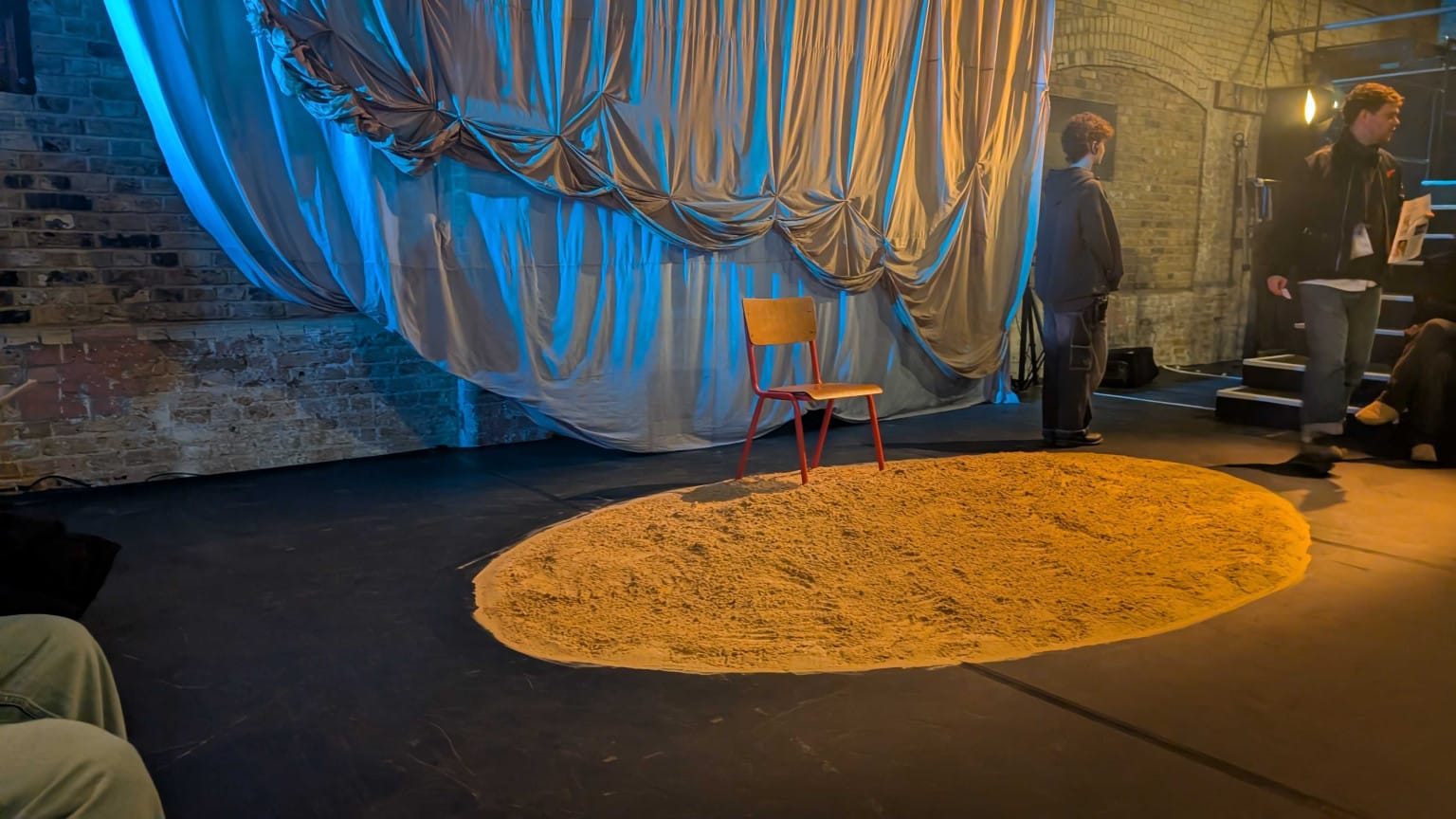 The intriguing set design.
The play is centred around the powerful, one-woman performance of Sarah Agha, who plays Renad, an 11-year-old girl surviving in Gaza.
Sarah spent the hour speaking directly to us as Renad, weaving together the reality of searching for her family with the magic of Palestinian folklore. She told us stories of the Anqaa, a mythical bird that rises from the ashes; showing us how a child uses their imagination as a shield against the horrors of war.
The mix of real-life testimony and fairy tale was heartbreaking, highlighting the resilience required just to get through a single day.
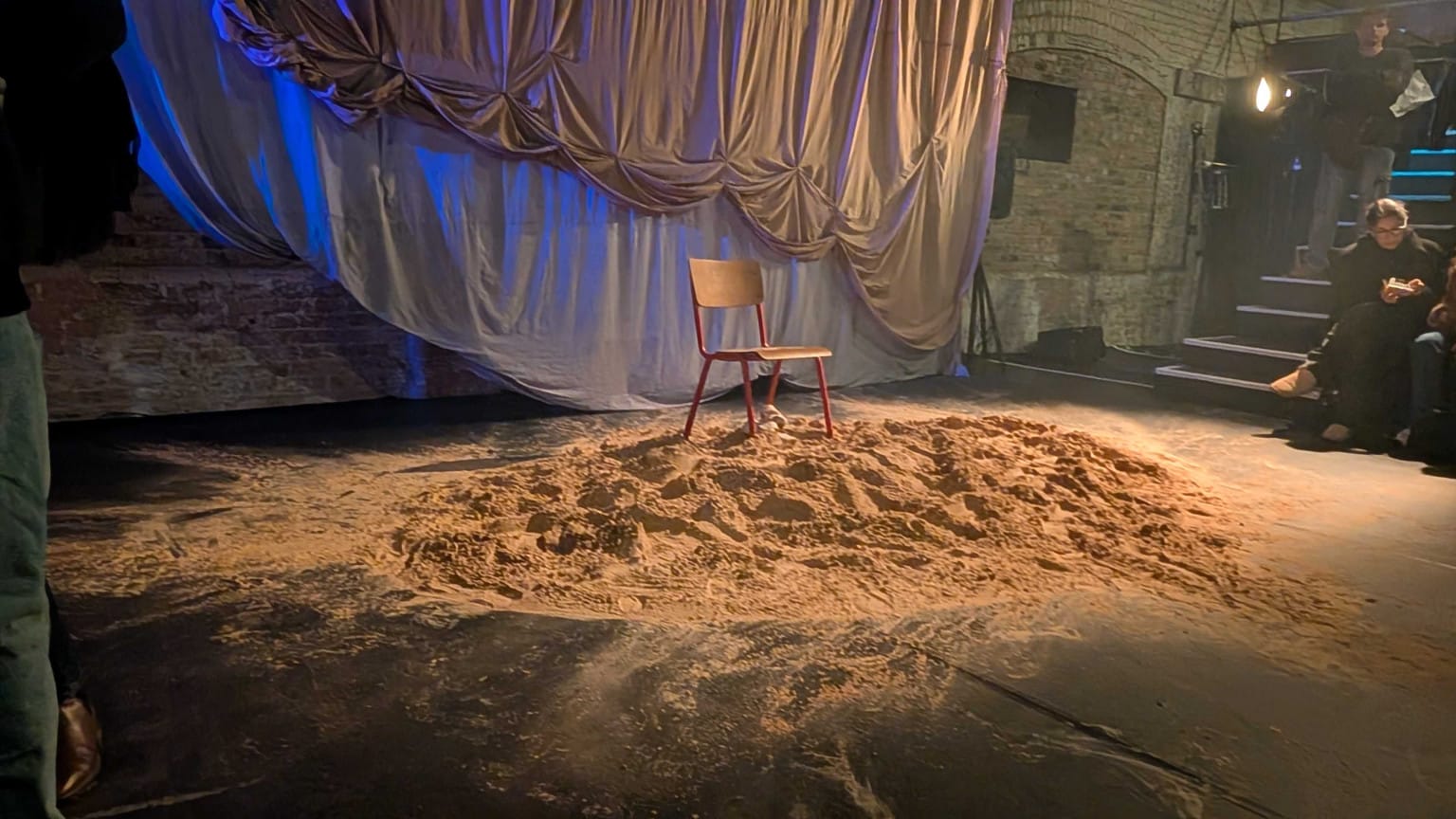 The aftermath.
The most emotional moment came when the names and ages of children lost to the conflict were projected onto the large cloth backdrop. The room stilled as hundreds of names scrolled by, transforming the theatre into a space of collective remembrance.
There were times when the play’s structure felt a bit fragmented and disjointed as it jumped from Renad’s story to that of children’s messages from Gaza. That lack of cohesion felt intentional, a reflection of the shattered lives that were being described before us.
Walking out, in reverent silence, it was clear that A Grain of Sand had made its impact on us all. It was a gut-wrenching reminder of our shared humanity in an era of profound disconnection.
It’s a story that has stayed with me long after the sand has settled.
Illustration by Mahnoor Khan for our Cultural Calendar.
Related
26 January ’26
It's Cog Night. We're at Arcola Theatre to see A Grain of Sand.
18 September ’24
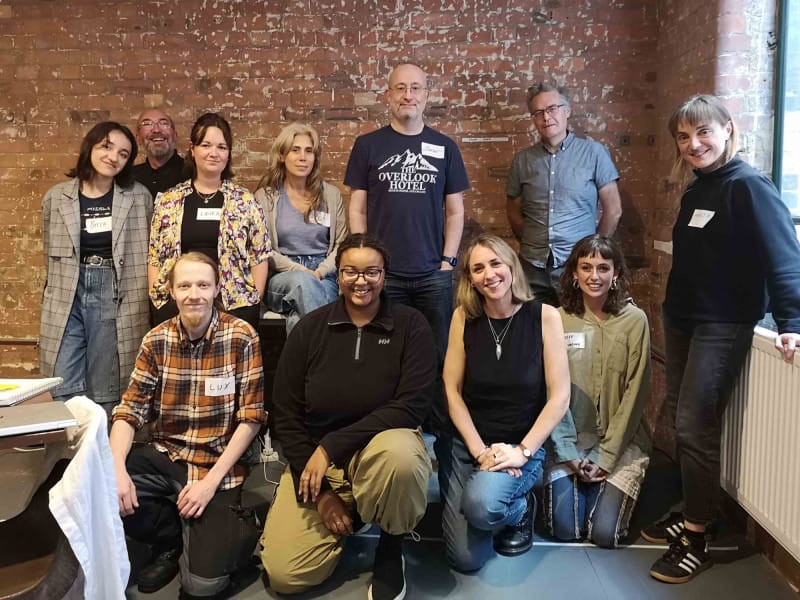
Marta and Michael are kicking off a new project with the wonderful team at Arcola Theatre.
14 October ’25
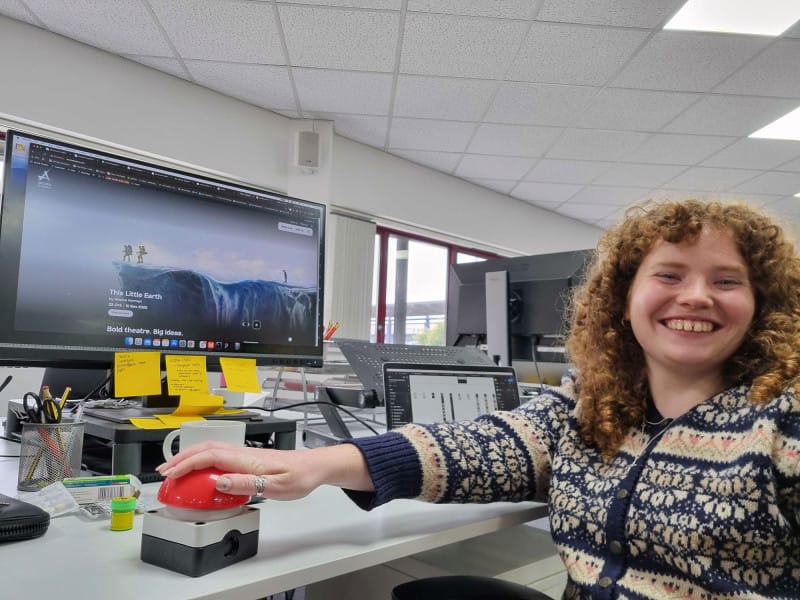
Aoife is pressing the red button to launch our new website for Arcola Theatre onto the internet.
Container at New Diorama Theatre
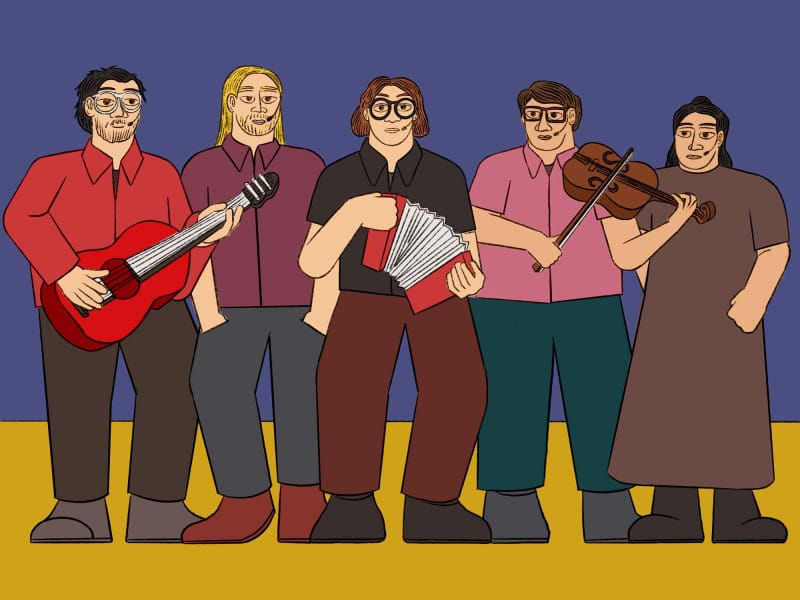
Our April Cog Night took us back to New Diorama Theatre for the part concert, part poetry reading, part play...
Dog Funeral at The Pen Theatre
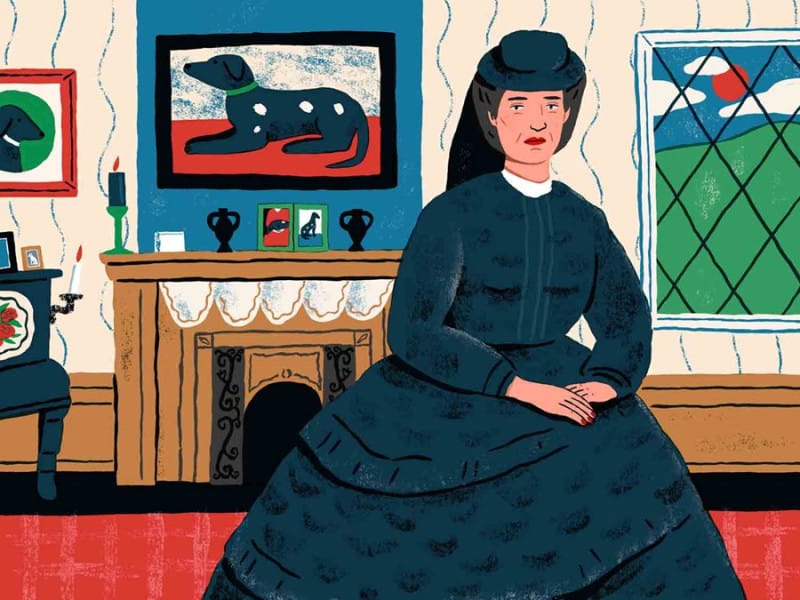
June's Cog Night took us to The Pen Theatre so see Zoe Wohlfeld perform her work in progress Show, Dog...
Limp Wrist and the Iron Fist at Brixton House
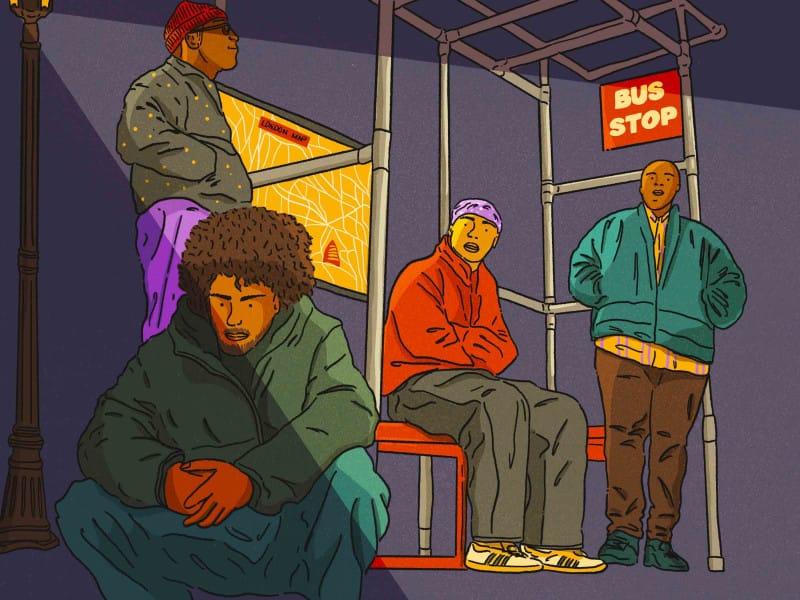
November's Cog Night saw us at Brixton House for Limp Wrist and the Iron Fist. Nick shares his thoughts on...
A Song of Songs at Park Theatre
For our May Cog Night, the team travelled to Finsbury Park, to the wonderful Park Theatre, to see A Song...
Cowbois at the Royal Court
Our January Cog Night was the Royal Shakespeare Company's production of Charlie Josephine's Cowbois at the Royal Court.
Untitled: F*ck M*ss S**gon Play
October’s Cog Night was Untitled: F*ck M*ss S**gon Play at Young Vic. Nazma shares her rundown of the evening.
Mohand & Peter – Southwark Theatre
Our March Cog Night found us transported half way across the world to the hot desert lands of Sudan.
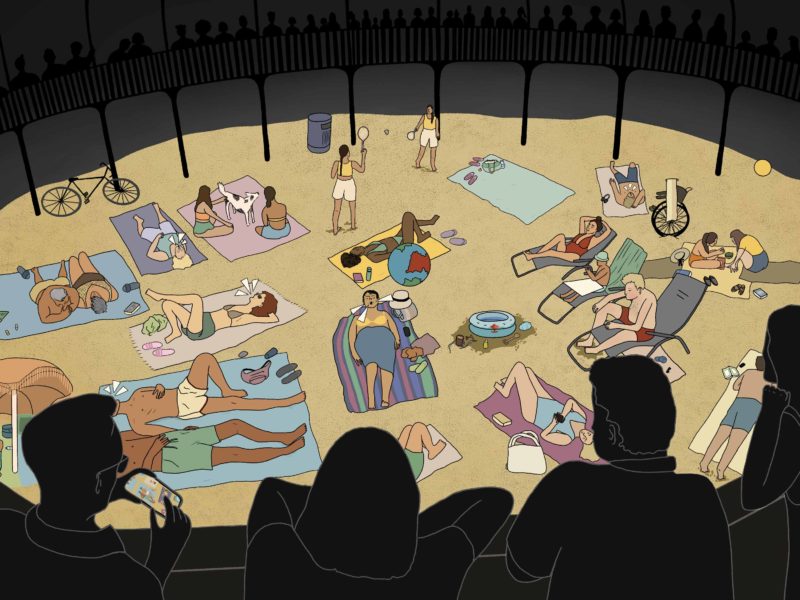
Sun & Sea
For our July Cog Night we were excited for a collaboration between three of our clients. Emily gives her verdict.